How to Create an Easy One-Shot (An Outline)
Having trouble creating a one shot? I do all the time! I can create adventures, but my ideas are so complex, I have a hard time making them short enough. I created this outline to make it easier to not go overboard. I’ll provide a small description of each item. If you’d like a description free version, or need help, email me!
Outline for creating your own D&D one-shot
1. Basic Information
- Recommended level range – What levels can play.
- Number of players – Number of adventurers.
- How to edit the games if needed – How to add or remove enemies and items.
- Estimated play time – How long the fun will be.
- Setting/environment type – Where and what surrounds the heroes.
2. Story Hook
- Initial adventure hook – To capture the hero’s attention and make them want to play.
- Backup hooks (in case players don’t bite on the first one) – The players should want to play, but have another interesting story to add in, just in case.
- Why would the players care? – Learn their backstories, so you can involve your players. They should feel like part of the story.
3. Key NPCs
- Quest Givers – Someone to tell what’s going on and what needs done.
- Information givers – People to lead the heroes to where they need to go.
- Major antagonists – Big Bad Evil Guys and Gals.
- Supporting characters – These are the NPCs and monsters.
- Brief personality traits and motivations – Something to help you create the characters and make them memorable.
4. Location Creation
- Starting location – Where the quest is given.
- Main adventure location(s) – Where most encounters will happen.
- Where final encounter occurs – Where the showdown is.
- Any important landmarks or features – Something for the heroes to look for.
- Quick map sketches – Map drawings.
- notes – Locations of NPCs, monsters, and treasure.
5. Major Plot Points
- Opening scene – How, who, where it begins.
- Key story elements – Why are heroes needed? What do they need to do?
- Plot twists – Something unexpected happens.
- Possible endings – Usually an option for good, neutral, and bad.
- Backup plans for when players go off-track – Additional combat encounters and ways to help get the players where they need to go.
6. Encounters
- Combat encounters with difficulty ratings – Who they will fight and how hard it is.
- Back up monsters – To adjust for extra players or absences.
- Social encounters/roleplay opportunities – NPCs to engage with and react to. Create unique social situations, like having to play an instrument, so players get into different role play situations.
- Traps/puzzles – Things to avoid and things to play with.
- Environmental challenges – Things that happen outside of the heroes control, like weather.
7. Rewards
- Monetary rewards – Money, money, money! Money!
- Magic items – Magical equipment, tools, or potions.
- Other treasures – Non-magical things like armor, weapons, and such.
- Experience points (if using) – Level up points.
8. Reference Notes
- Monster stat blocks you’ll need – All the info about the bad guys.
- NPC stat tracker – Something to write down what they are doing, who they are.
- Important rules you might need to check – Things you feel you need to remember. If you find something confusing or feel you will forget write it down. Interesting facts about places or characters.
- DC checks for common actions – DC skill check numbers.
- Quick reference for location descriptions – Write down location details on a note card or make mini maps for yourself.
9.Inspiration
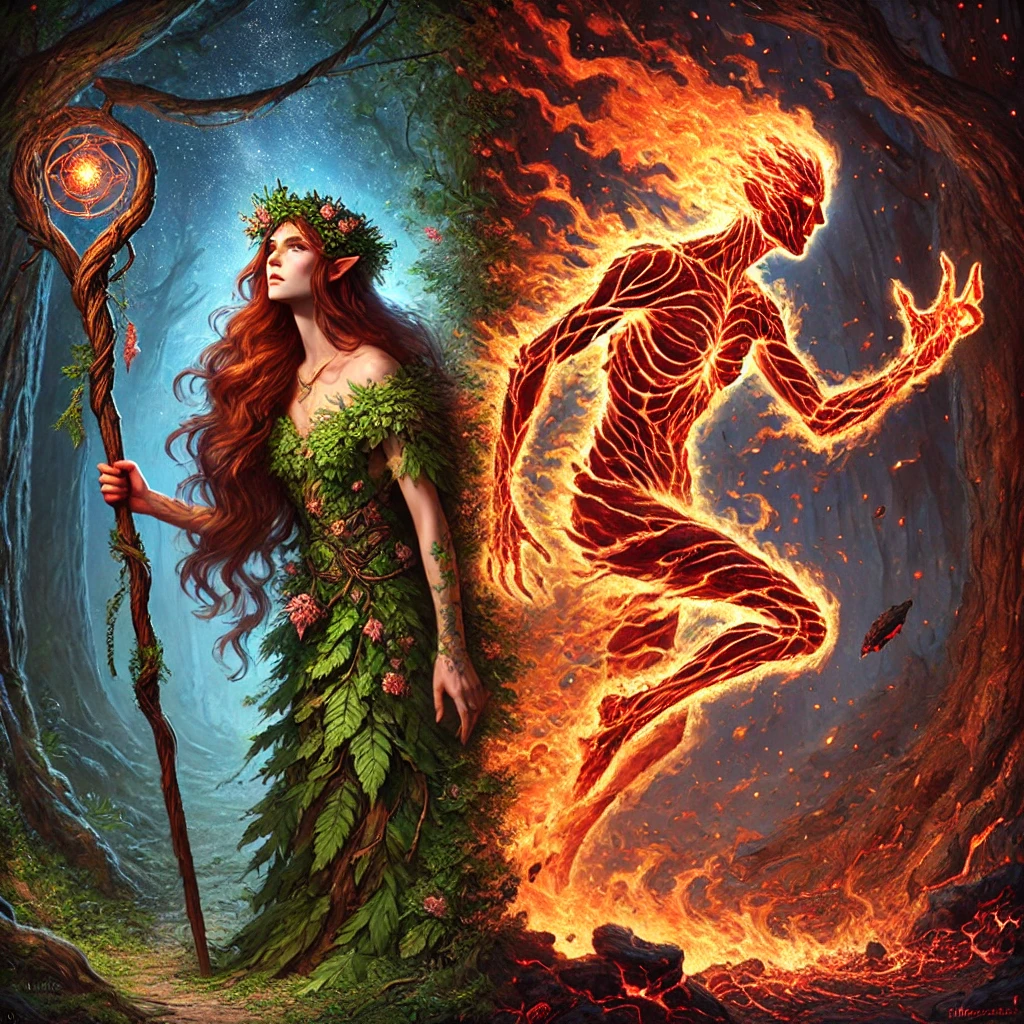
This is not really something to write down, it’s something to look for. By all means write it down if that helps. When you see or do something that inspires you, run with it and take it all the way. Personally, I like to make weird character pictures and then create worlds around them.
Easier than it seems
This may seem very overwhelming, but it’s not all that hard once you get the hang of it. Just remember to let your creative juices flow. You’ll be amazed at what you can achieve. I’m always here to help as well.

Join my email list!