9 Best Simple Beginner Tips for Creating TTRPG campaigns
Are you like a lost hero searching for a hidden treasure? Unsure of where the road will take you? Where do you start when making a TTRPG Campaign? There are so many options World, Campaign idea, Characters, Maps, or the other millions of things you create. I tend to like to start with Characters. I create a random character and somehow the pieces just fall into place around them. That’s why creation starts with…
1. Inspiration
Look for Inspiration everywhere! You never know where or when you will find it, or it will find you. Look for little items you can add to your games as props to make it more 3D.
I like to create images using ChatGPT, there are better ones, but I feel like you get more free image creation with it. The images are just inspiring.
For example if you make a hybrid birdfolk/merfolk person. Since they have gills and need to breathe underwater, have a steam punk type contraption that uses clear tubing to pump water through the gills. Now don’t you want to see it fly?
Just as with role playing use your imagination and see where it takes you. Draw inspiration from your favorite shows and other cultures you are interested in. Read a book about mythology or urban legends. Then you are learning on top of creating.
2. Build the Foundation: Setting and World-building
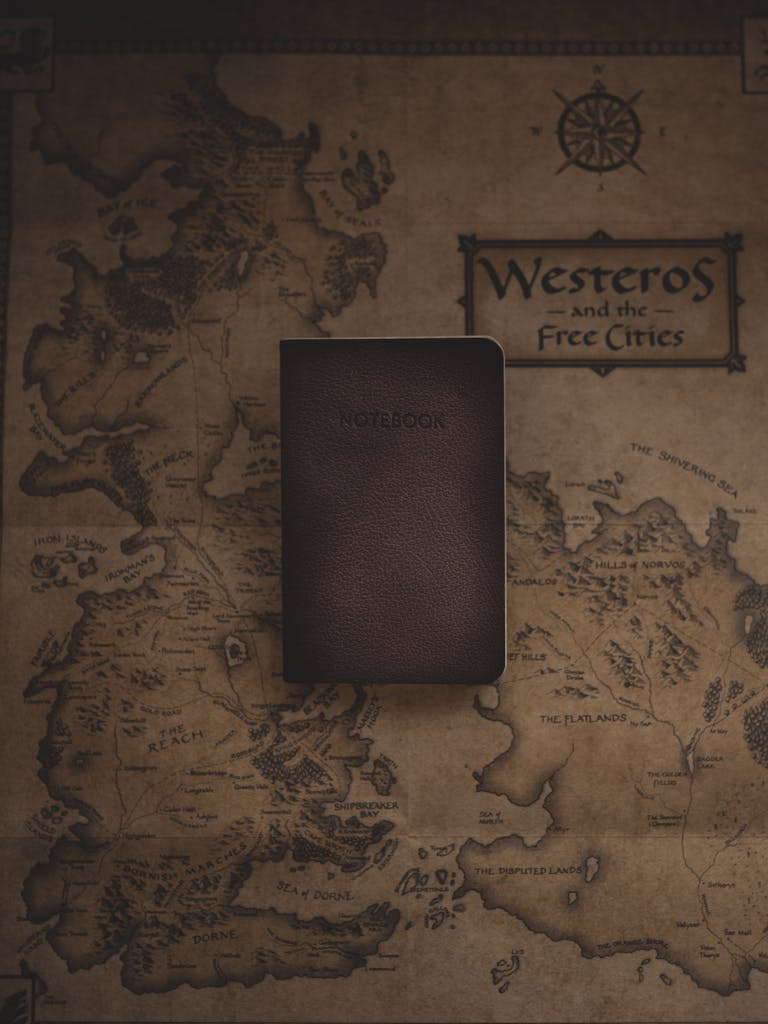
World-building for TTRPG campaigns can be simple when you know where to start. Start small. Create the main location the heroes will either be staying, investigating, or fighting in. This will be where most of the story happens and other locations will be built around it.
Then start introducing world-building items like culture, geography, and politics, if you’re going to go there. Think about what shops your heroes will need to go to and a general idea of the location.
Remember you don’t have to make everything right away. You can start with just one town, dungeon, or forest. They just need a place to play. Don’t forget to add a little detail about the looks.

3. Creating the Core: Plot and Goals
We need a conflict! Think of your favorite book or movie, do you wish you could play it out yourself? Would your choices have changed the ending? Is there a big bad you’ve always wanted to create or take on? Those can sometimes help you write the best campaigns.
The plot will thicken, as you add more and more detail to your story. If you are having trouble figuring out what else you need, writing a campaign outline can be very helpful. Outline things like key milestones, turning points, and encounters. Then you can go back to fill in all the extended details later. Before you know it you’ll have a whole campaign.
After the plot is created think about what the heroes are trying to accomplish. Are they trying to save the town or take it over? What are other possible outcomes? What do you want to happen? These questions will lead you to your goal and that’s kinda the whole point in playing anyways.
4. The People: How to create Memorable NPCs
Creating memorable NPCs all comes down to how you role play them and use them in the campaign. During role play give them something memorable. This could be a funny voice, a weird trait, or even a catch phrase.
Developing relationships between NPCs and players adds depth to your story. You can add NPCs from players home towns to involve the player’s cultures. Maybe the NPCs and players become friends. You can also allow these NPCs to join the adventure.
In the end the best way to create NPCs is to interact with the players. React to what they say as the character, you don’t always have to have prepared dialogue. Then just let it flow naturally and your players could make a valuable ally or an infuriated enemy.
5. Player Immersion
One of the keys to player immersion is in the hook. When creating campaign hooks find a way to involve the players. Why would they be on this quest? Are they there to save a loved one, did their friend ask for help, or are they looking for a special item to enhance their abilities?
Integrate player backstories into the campaign, seeing a theme yet? Add information the players give you about their history and culture into the story itself. Maybe you visit one player’s hometown or you have to save a player’s sister from an evil creature who eats that species.
TTRPGs are all about collaborative storytelling and that becomes easier the more you and your players play off of each other. When players tell you their grandpa is in a traveling circus and then they see that circus, it’s like watching your ideas come to life. The players felt heard and feel more connected to the story.
6. Design Encounters and Challenges
When creating encounters in TTRPGs make sure they are balanced or come up with a way to balance them. Look at the CR, combat rating, if there is one, if not look at the level. I think it’s fine if the level is a bit higher than the players current level.
Check out the damage they do as well. If one or two hits will wipe out a player the level is probably too high. Vice versa is true as well, it may be awesome to take out 10 guys in one swing of the axe, but it’s kinda boring for everyone else.
This has an easy fix though. Add more of the weak monsters to create a horde. That way even if one player takes out half in one go, there are still enough for everyone to get a swing in. For opponents that are too difficult, lower their moves. Instead of triple attacks do two attacks, maybe roll one less die for damage.
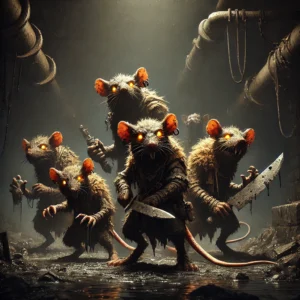
Creating your own monsters is even more fun! Mix creatures together or make everything a mimic. Give it unique powers that you think, or want, it to have. Then add the general attacks, like claw or bite, so they always have something to do.
Challenges are a bit different. For social challenges think of different skills to use and different tasks to use them for. You could do performance for someone who has to play an instrument for the king, you could have everyone do it. If one person can’t play an instrument, have them do a deception check instead. Find various situations to put them in and if it seems too hard, lower the DC as you go.
As for puzzles and traps. These require some tinkering and maybe a bit of research.
Puzzles, if not just a riddle to solve, usually involve something you have to do that requires a DC check. You need to decide what happens if you fail and what the reward is if you pass. To figure out what puzzle to do you can look at puzzle books for ttrpgs, logic puzzles, or escape room ideas.
Traps usually are either physical or magical based. Physical traps are set off by touch or motion and usually require strength or dexterity saves. Magical traps play off your wisdom and intelligence. Traps can damage, detain, or disorient.
When making a trap or puzzle standard DCs are 10DC for an easy check and 15DC for something harder. If you need help with your creation look up how it actually functions, if it exists, or draw a mock up to see how it would function. Then based off that information create your challenge.
7. Prepare for the First Session (Session Zero)
You start with session 1 right? You can if you’ve all been playing a long time, and I do the zero session on my own when playing with family. You should have a session zero to set yourself up to run a smooth campaign.
Before running a session zero know what you want to discuss and if you even need one. In the Zero session you’ll want to discuss expectations (behavior and attendance), character creation, and prepare for your first official session.
Expectations for behavior and absences should be discussed with new groups. What will happen if someone is absent? What if there is an argument? Or if someone quits!? You need to know how to deal with these issues ahead of time, so it doesn’t interrupt game play.
Some people need help with character creation as well. It can be nice to do this in a group for those who are new. That way you can ask questions and make sure your team is balanced. As a gm you this will give you a chance to get to know their characters so you can incorporate their stories into the campaign.
8. Best tools for TTRPG Campaign Planing
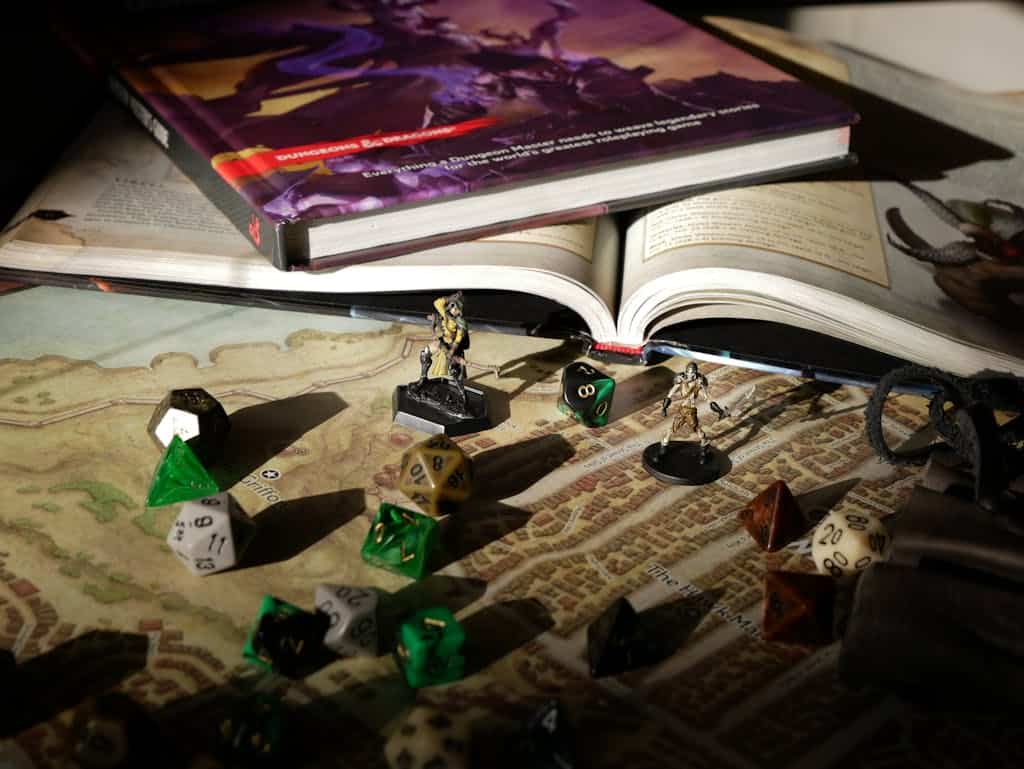
If you are creating your own TTRPG campaign here are a few tools I recommend. I only use the free versions because I don’t have money for anything paid right now! They work just fine, they just tend to have a limit on their use.
Books:
- GM/DM book- from whatever TTRPG rules you are using (Example: Dungeon masters guide, Gamemastery guide)
- Monster book- if using pre made monsters get the book with them in it. It will have all your details for you. (D&D Mordenkainen’s tome of foes, Monster of the week)
- Notebook- Get it from your room, Walmart, $ store, anywhere. Get one though. You need to take notes! It wouldn’t hurt to have all your monsters and their abilities written down too.

Websites:
- Google Docs- It’s like a free version of word, but requires internet. It’s a great place to start putting all the content you create for your campaign. It will help you organize.
- Claude- Yes, I know ai! It’s helpful though. You don’t need to use it to write for you, but it is helpful for creating an outline for whats needed for a campaign, brainstorming, stat block creation (until you figure it out yourself), and changing the difficulty rating. If you can’t figure out how to adjust an awesome BBEG you created, you can give Claude all the info and ask him to take it from a 12 to an 8. Pro tip: Tell Claude not to write it for you just keep track of info and then it’s more like an assistant.
- Canva- This can help you create Character sheets for your players, if needed.
Tools:
- Printer- You will need to print your campaign after you create this. I don’t know if it’s the same everywhere, but my library lets you print $7 worth of pages every week. Definitely worth checking out if you don’t have one at home.
In the end…
I hope these tips help you in creating your new campaign! This is by no means everything you need to make an amazing campaign, but it gives you a place to start. Do you have any questions? Think I missed something? Send me a message and I’ll be happy to discuss.

Join my email list!