10 Best GM Tips for everyone
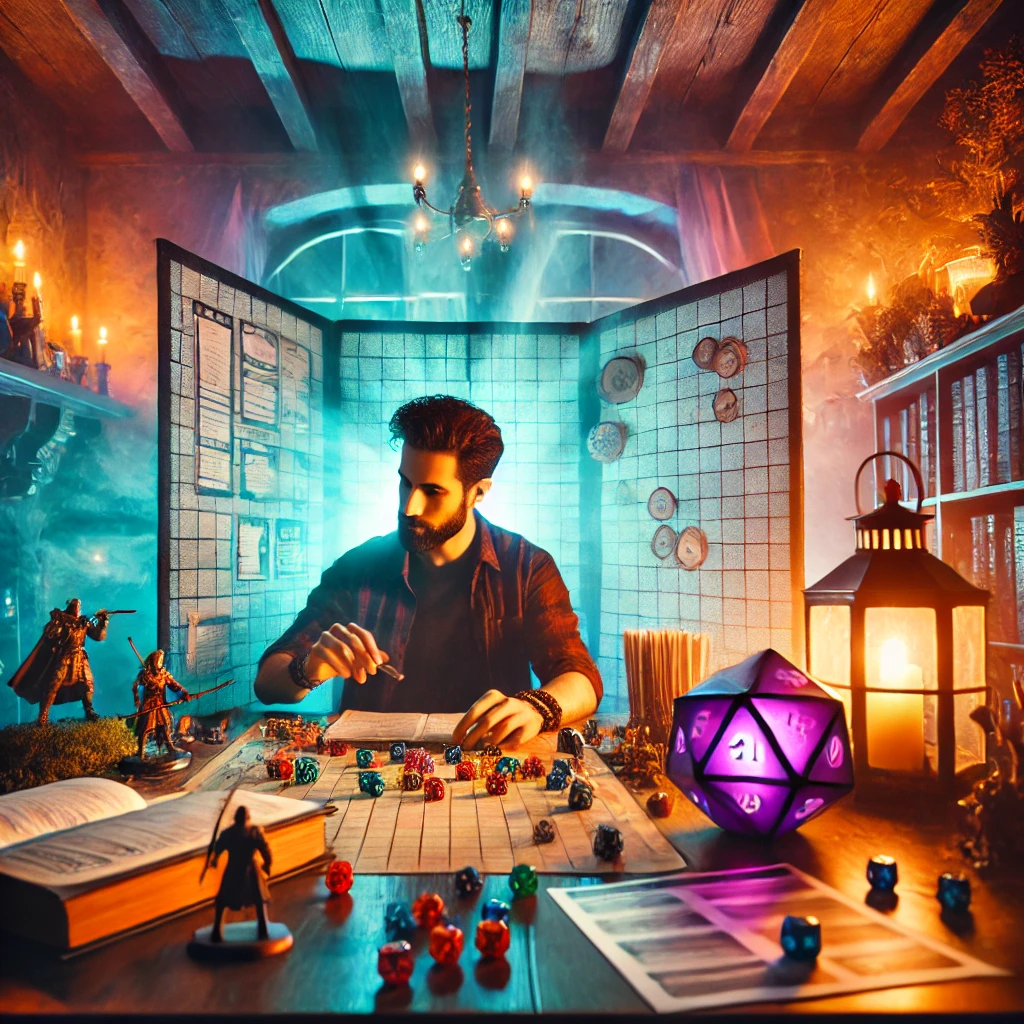
Whether you are brand new and about to play your first campaign or if you’ve been playing for years, Being a GM can be hard. These are some great tips to give you ideas to level up your game.
1. Let them do the thing!
Let your players do the fun things, but you can make them work for it. Add interesting checks to see if the can do the thing. Just keep it in the realm of physical possibility.
2. Inspiration
A bit of a double meaning. First let your players be your muses. Take notes on the things they say then weave it into the story. Have people from their character’s lives show up in the cities they are in, people can travel. Have a side quest be in their hometown, then you can add in the sights and sounds of their culture.
Give inspiration points! They may not be a whole lot, but it feels good to be noticed. Role playing can be frightening, especially for introverts! Let them know you appreciate them when they are trying to stay in character or be funny.
3. Leave Breadcrumbs
It can be hard to get your players to focus, sometimes the NPCs we create are just too good! Since this is shared story telling you don’t want to force players into things. It’s also no fun to have to keep telling them no, either.
To get distracted players back on the right track, leave breadcrumbs. Have the people they talk to tell them about a location where something strange is going on. Even if you have to make a squirrel run by to catch their attention.
Remember you are there to provide structure, but it’s up to the players what they want to do. Yet, there are still many small hints you can give to lead them where they need to go.
4. Notes
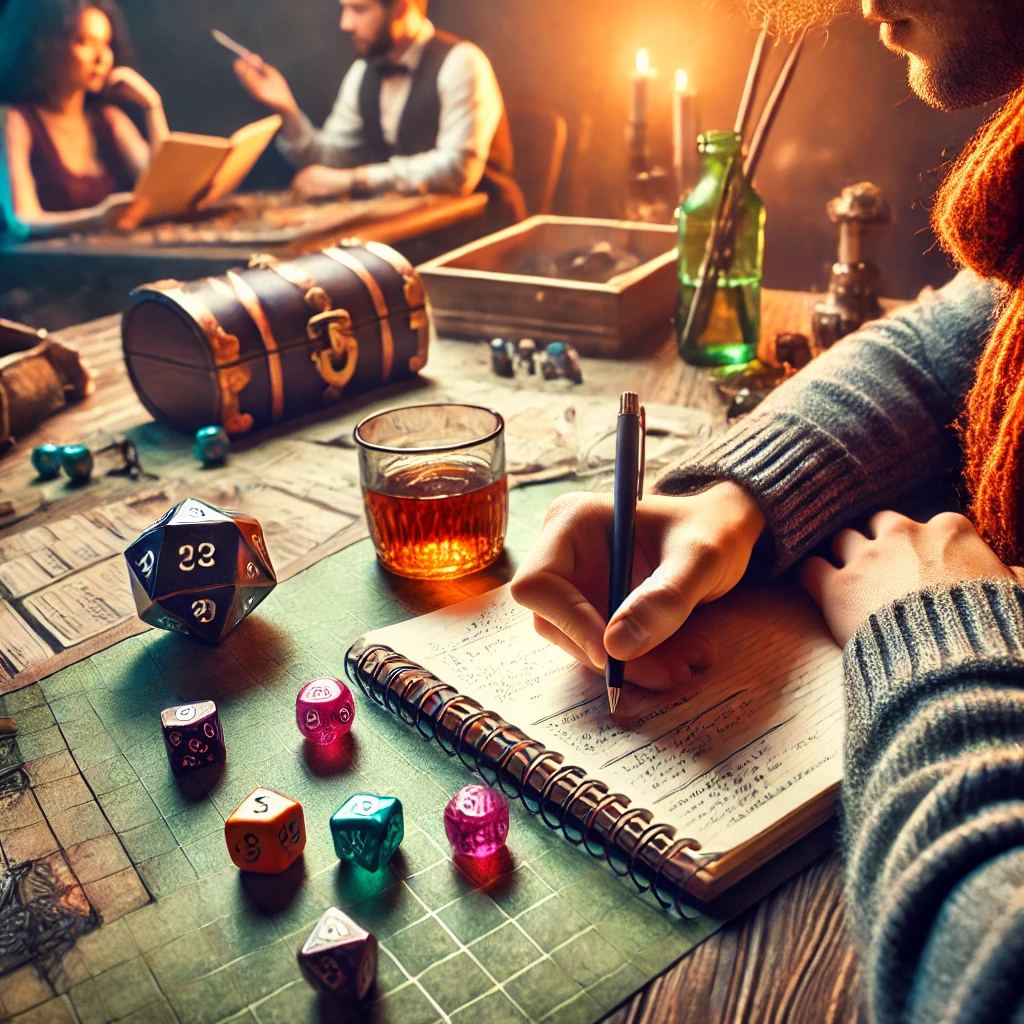
Take them! Seriously though, you should always have a designated note taker for the group as a whole. Maybe even two. In my group I take notes as well as one of my companions and we somehow always manage to write down different things.
You have to take notes too. Your notes will be different from the player notes, so you have to do it yourself. GM notes should be about what the monsters, BBEG (Big Bad Evil Guys & Gals), and NPCs are doing outside of the group.
Don’t forget to keep track of silly quirks or cultural information the characters give you about the places they are from. Then, when they go visit home, it makes a much more interesting experience.
5. Role-play
The whole point of any RPG is to play the role you are pretending to be. Thing is, it’s actually hard and takes some work, again introvert! There are some things you can do as a gm to get the ball rolling.
Do voices, if you can. I’m not the best at it, but I do a pretty good old lady voice. You could even give them a silly quirk, like they squawk sometimes. It gives the npcs you create definition and makes them memorable. Just write down what they sound like in case you cross paths again.
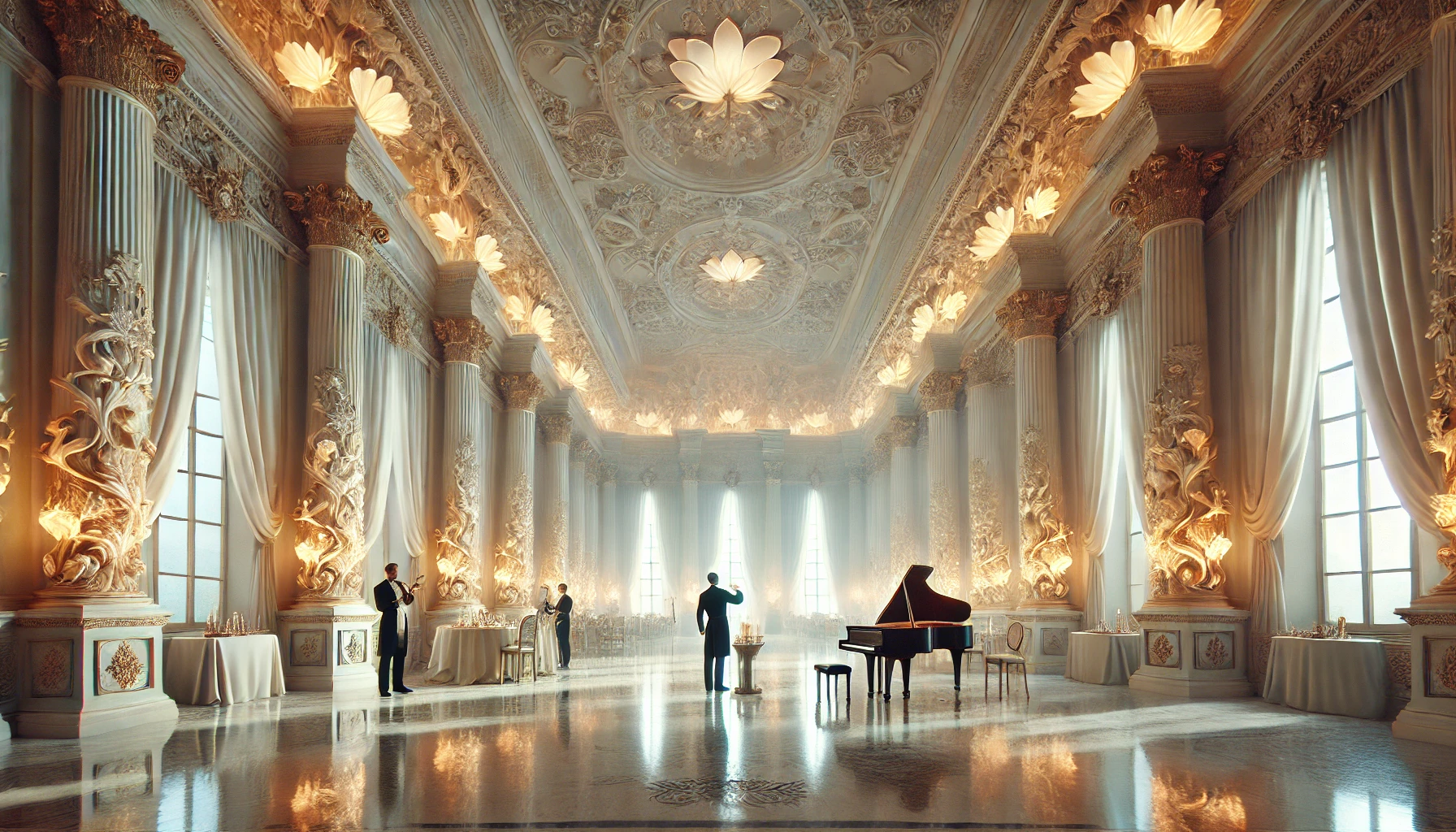
Describe using all your senses. Yes the castle has a grand ballroom with ceilings that soar over 100 feet tall and has ivory pillars, engraved with lotus blossoms that seem to glow. What you see is the easy part.
What do you feel?
Is it breezy from a window a butler left open? Are they cooking roast ham, that smells so good your mouth starts to salivate? Do you hear a band playing string instruments in the corner? These additions intensify your world and add to the overall experience.
6. Props
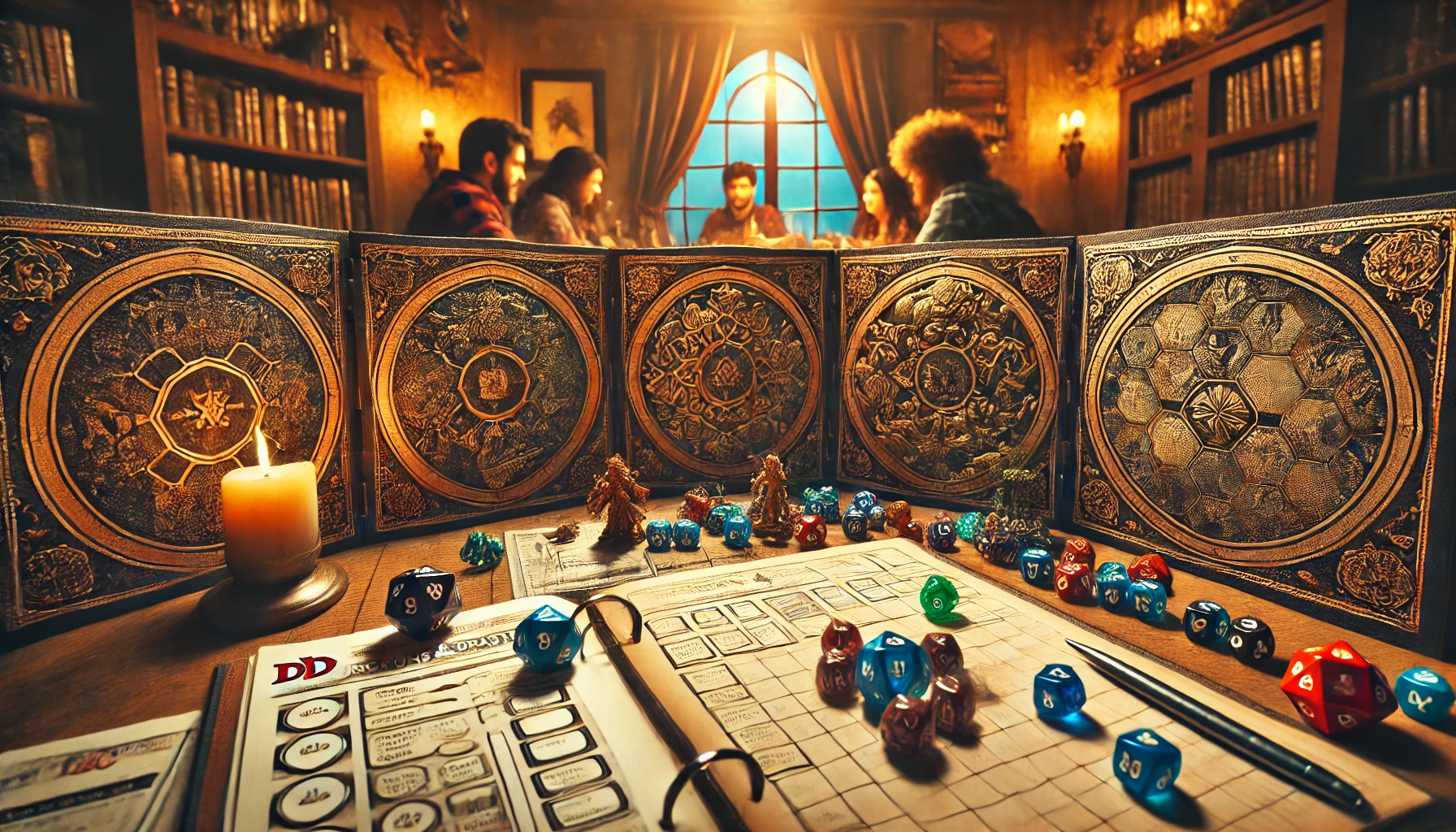
Little additions are what makes the game fun. Maps, mini figures, trees, bushes, mini mushrooms, and campfires can add a nice little touch to your games. The map and mini figures also make tracking combat easier.
Cards
My oh my, the cards! I love them! There are so many, from the spells, to monsters, npcs, items, weapons, and more! They make it easier to keep track of what you can do and are just plain convenient.
As a GM it’s so nice to have a player hand you a card to read when they need help. After all you are the ultimate decision maker when figuring out what to do. Plus you can give random, or planned, treasures as a reward to your party.

7. Lights, Music, and sound effects
Lights can really set the mood for your games, my GM likes to use red when we are in combat. You can use amazon Alexa lights or just buy a light bulb that allows you to change color with a remote.
From creepy whistling music, for a haunted mansion, to the light melody of strings, in a grassy glade, music adds sensory experience to every quest. You can create your own spotify playlist or find royalty free music online.
The crunch of leaves behind you, an Erie howl late at night, a crackling fireplace. When you add sound effects, it makes your story feel more alive. I mean how great would it be to have everyone resting only to be awoken by a furious roar of a dragon, but have them actually hear it.
8. All the skills
Please oh please, use different skill checks! It gets so boring to be asked for a perception check for everything you do. For checks that are just looking at things, remember we also have insight, investigation, and history.
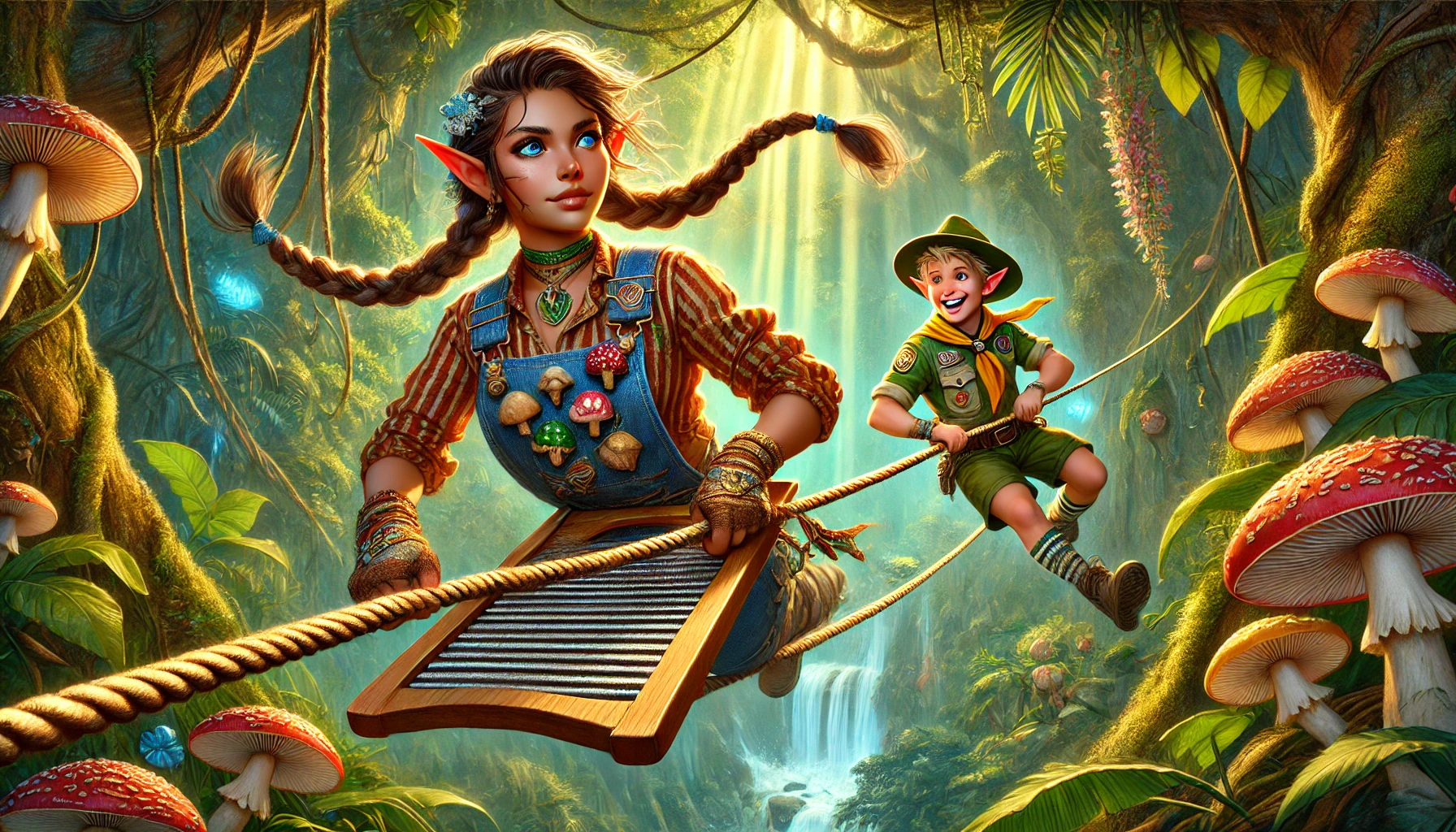
What’s important is using all the skills. There are many to choose from. Like if players are trying to use a vine as a zip line, one player uses his sword, another tries to use her washboard, yes washboard! Instead of an athletics check, she has to do a performance check. It was on a very good podcast, you should give it a listen.
9. Duh, Duh, Dum…
What happens next? Choose where you end carefully. It doesn’t always need to be during a long rest. Cliffhangers make the story interesting. Say, the BBEG turns out to be a friend of one of the players, then after that information is released you end there.
It makes for good story telling because you are making things more dramatic. Plus, hopefully, it will make your players eager to find out what happens. Then you might have an easier time coordinating schedules!

10. Scheduling
Ugh. What a hard thing to do! Unfortunately as the GM, most of this will probably get left up to you. Most of us get so busy in life, especially with kids, that we don’t have a lot of time to do the fun things.
That’s why working on scheduling had to be included in this list. It’s very important, because if you can’t get a schedule figured out, you can’t play and that’s just sad!
The End… Or is it? Wahaha
I hope these tips helped you out and gave you some ideas for your next game. It’s honestly as fun as you and your players make it. Although the little additions you make are what can really turn a fun game into a great role play.
When it comes down to it you are the GM and what you say goes!
If the players ask just remember to tell them,

Join my email list!
Please Pin to your pinterest page!