How to Up Your Player Engagement and Keep Them Involved in the Story
Keeping your players engaged in a TTRPG campaign can feel like a full-time job—but it doesn’t have to be! Whether you’re a new GM or a seasoned storyteller, here are five practical tips to help your players stay invested and involved in the narrative from session to session.
Make the Story About the Player Characters
One of the most powerful ways to hook your players is to make the story personal. Take what your players share about their characters—their culture, homeland, past relationships, or motivations—and weave those elements into your world.
Did a character mention a sibling they haven’t seen in years? Have that sibling appear in a future session. Did someone create a fictional city with unique customs? Include that city in your worldbuilding. It doesn’t take much effort, but it instantly makes the world feel alive and centered on the characters—not just a place they’re dropped into.
When the world responds to the players’ backstories, they don’t need extra motivation to get involved—they already care.

Ask the Right Questions
Sometimes engagement simply comes down to asking your players what they want to do. You don’t need to railroad them into the plot—instead, invite them in.
Try asking:
“With everything going on, what do you think your character would do next?”
“What would you like to do here?”
“Is there anything else you want to explore, ask, or interact with?”
These open-ended questions invite collaboration and remind players that they help shape the narrative. Don’t be afraid to remind them of things they may have forgotten—there’s a lot to track in TTRPGs, and gentle nudges can bring old threads back into focus.

Use the Rule of ‘Yes, And’
The “Yes, And” rule comes from improv and is just as valuable at the game table. When a player has a fun or creative idea, don’t shut it down—lean into it!
Say: “Yes, that happens—and here’s what else happens next…”
This simple phrase encourages creativity and helps players feel like their choices matter. When you validate cool ideas, your players are more likely to take risks, explore, and fully embrace the roleplay. It turns the game into true co-storytelling—and that’s where the magic is.
Make NPCs Memorable
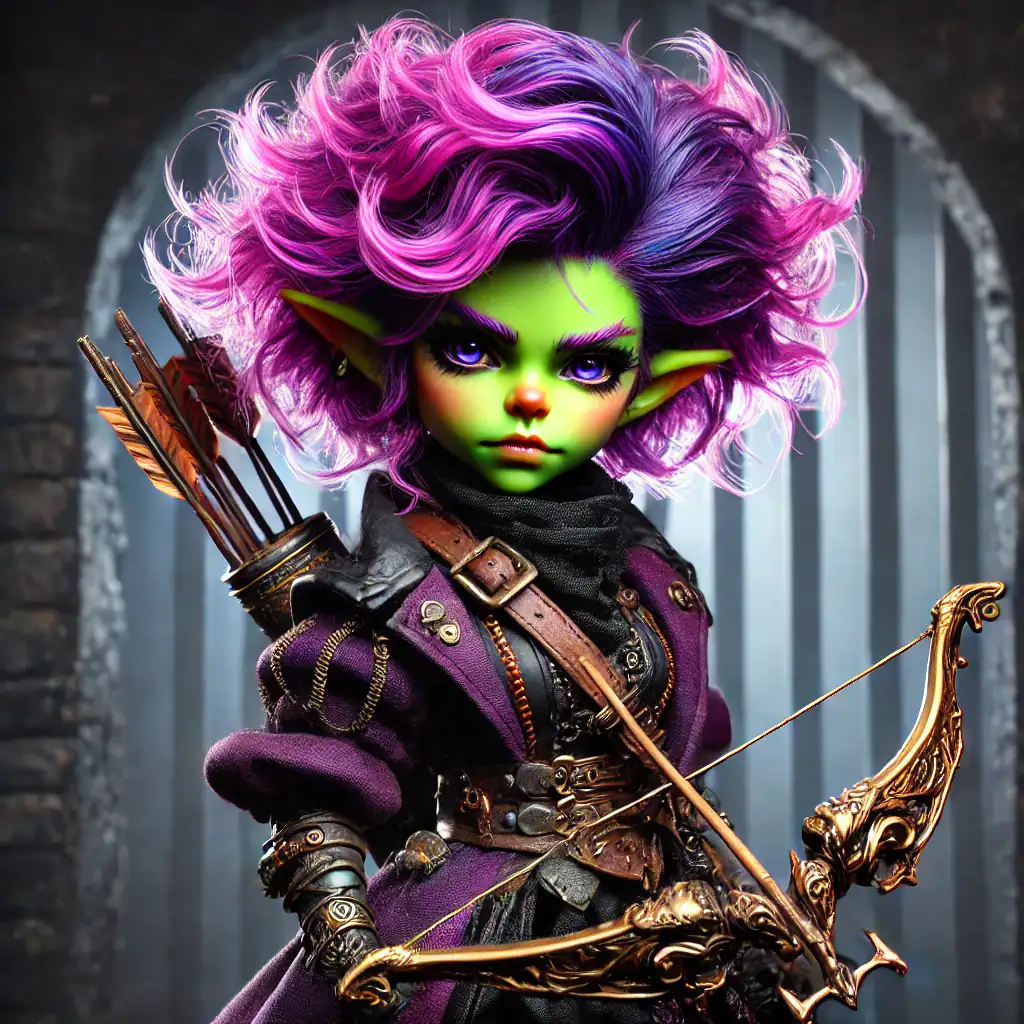
Engagement isn’t just about plot—it’s about connection. Give your NPCs something unique: a funny voice, a weird catchphrase, an odd quirk, or a distinctive item. These touches make characters more memorable and more likely to return.
And when a player forms a strong connection—whether love, hate, or rivalry—bring that NPC back! Make them an unexpected ally, a returning villain, or even a reformed enemy. These callbacks reward player attention and create rich emotional arcs.

Have a Session Zero
Before your campaign even begins, host a session zero to set expectations and establish tone. Ask questions like:
“Do we want a light, goofy game or a darker, more serious one?”
“How do we feel about gore, swearing, or romance?”
“Do you want the story to center around your characters’ personal arcs?”
“Are there any topics we should avoid?”
This session lays the foundation for engagement. When players know what to expect—and when you understand what excites them—it’s much easier to run a game that keeps them coming back for more.

In the End
If you want your players to stay engaged, give them ownership of the story. Center the world around their choices, respect their contributions, and keep things fun, collaborative, and character-driven. A little preparation, a few thoughtful questions, and the willingness to say “yes, and…” can go a long way in transforming a good game into a great one.

Join my email list!